Amazon’s Shift to Generative AI: What It Means for Echo Users’ Privacy
Amazon’s Decision to Discontinue Do Not Send Voice Recordings Setting
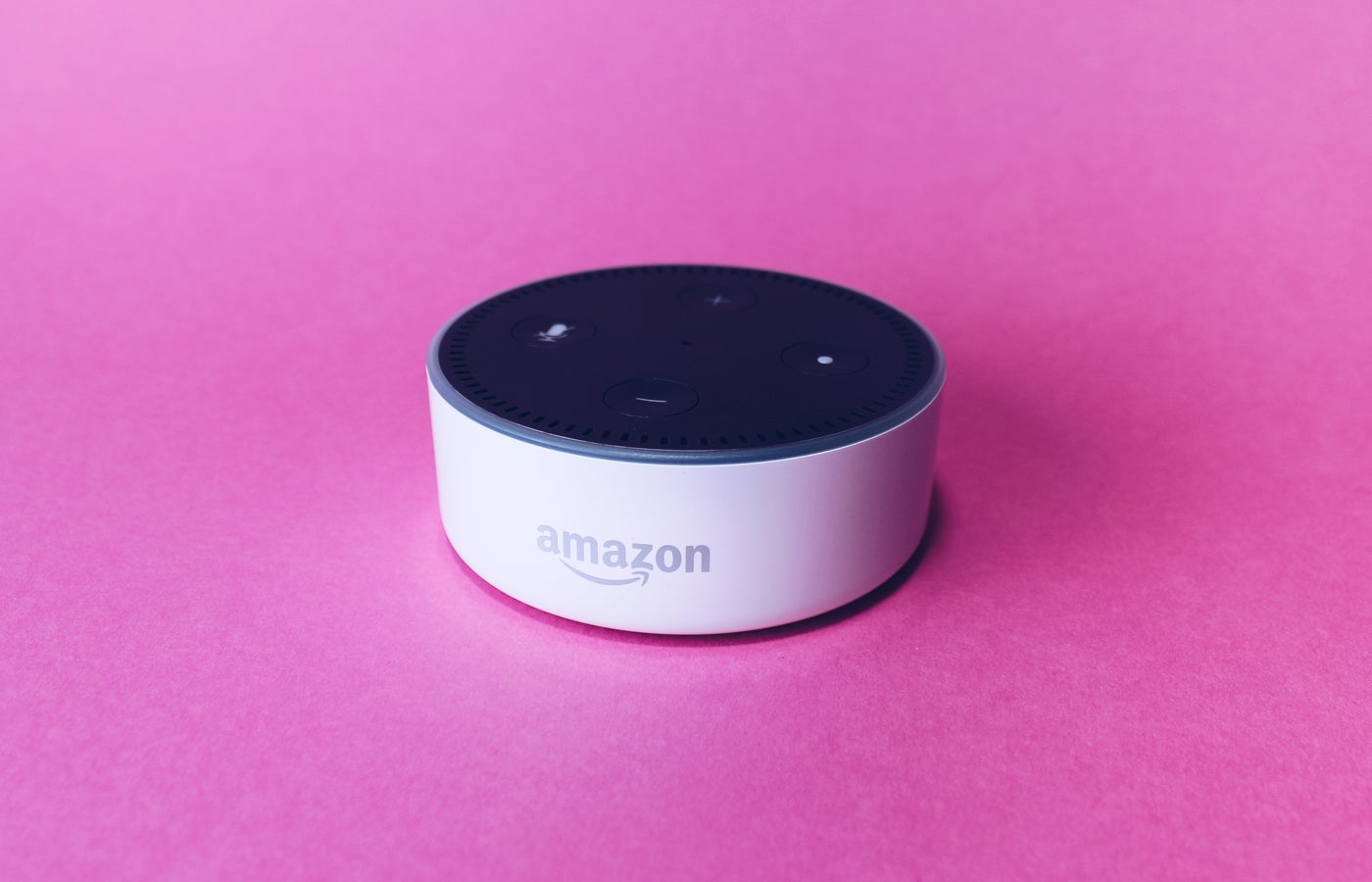
Last week, Amazon sent an email to select Echo users, informing them that they would need to consent to having their Alexa voice recordings sent to Amazon’s cloud for processing. This change will take effect on March 28, as the company confirms. Currently, users with the Do Not Send Voice Recordings setting enabled on their Echo speaker or smart display will see their commands processed locally on the device. However, starting March 28, this setting will no longer be available, and all recordings will be processed at Amazon’s data centers.
On the cutoff date, any Echo that still has this setting enabled will automatically switch to Don’t Save Recordings, meaning voice commands will be transmitted to Amazon’s cloud for processing but deleted afterward. Any previously saved voice recordings will also be deleted, and Alexa’s voice ID feature, which recognizes individual users’ voices to provide personalized responses, will be disabled.
Why the Change?
Amazon stated that the decision to discontinue the Do Not Send Voice Recordings setting was made to “expand Alexa’s capabilities with generative AI features that rely on the processing power of Amazon’s secure cloud.” This indicates that Amazon is collecting more voice data to enhance AI training and improve its smart speaker technology.
What’s Next for Echo Users?
TechRepublic reached out to Amazon for confirmation, and a spokesperson returned a boilerplate statement saying the company is “focusing on the privacy tools and controls that our customers use most and work well with generative AI experiences.”
More Must-Read AI Coverage
GenAI and the Push for More Voice Data
This news comes just a few weeks after the unveiling of Alexa+, an AI-powered version of Amazon’s digital assistant. Set to launch this month, Alexa+ will take in data from a user’s home cameras, emails, personal calendars, and more to provide intelligent responses.
Amazon’s Troubled History with Privacy Concerns
The email sent to Echo users stressed that voice recordings will be encrypted while in transit, and that the Amazon cloud was “designed with layers of security protections to keep customer information safe.” Given Amazon’s track record on voice command privacy, some users may be uneasy with the new settings.
In 2023, Amazon agreed to pay $25 million in civil penalties for indefinitely storing children’s Alexa recordings, violating child privacy laws. That same year, Amazon’s Ring was fined $5.8 million after an investigation revealed employees and contractors had unrestricted access to customers’ private video footage.
Amazon also faced backlash for quietly storing Alexa recordings by default until a U.S. Senator publicly questioned Jeff Bezos about the practice – five years after the first Echo was released.
Conclusion
Amazon’s decision to discontinue the Do Not Send Voice Recordings setting is a significant change for Echo users. While the company claims it is focusing on providing better AI experiences, the shift raises concerns about data privacy and security. As the company continues to push for more voice data, it is essential for users to understand the implications and take steps to protect their privacy.
FAQs
Q: What is the new policy for Echo users?
A: Starting March 28, all Echo users will need to consent to having their voice recordings sent to Amazon’s cloud for processing, with the option to delete recordings after processing.
Q: Why is Amazon collecting more voice data?
A: Amazon is collecting more voice data to enhance AI training and improve its smart speaker technology, allowing for more personalized responses and better customer experiences.
Q: What happens to my saved voice recordings?
A: On the cutoff date, any previously saved voice recordings will be deleted, and Alexa’s voice ID feature will be disabled.
Q: How can I protect my privacy?
A: Users can take steps to protect their privacy by reviewing and adjusting their privacy settings, using strong passwords, and being mindful of the data they share with Amazon and other companies.
Q: What is the impact on users with the Do Not Send Voice Recordings setting enabled?
A: On the cutoff date, users with the Do Not Send Voice Recordings setting enabled will automatically switch to Don’t Save Recordings, and any previously saved voice recordings will be deleted, with Alexa’s voice ID feature disabled.
Q: What is the scope of the change?
A: The change affects users with the Do Not Send Voice Recordings setting enabled on their Echo speaker or smart display, which is currently available to a limited number of users in the United States.

Related Stories

“Ransomware, was ist das?”
Rewrite the width="5175" height="2910" sizes="(max-width: 5175px) 100vw, 5175px">Gefahr nicht erkannt, Gefahr nicht gebannt.Leremy – shutterstock.com KI-Anbieter Cohesity hat 1.000 Mitarbeitende...

BTR: AI, Compliance, and the Future of Mainframe Modernization
Rewrite the As artificial intelligence (AI) reshapes the enterprise technology landscape, industry leaders are rethinking modernization strategies to balance agility,...

Warning to ServiceNow admins: Fix your access control lists now
Rewrite the “This vulnerability was relatively simple to exploit, and required only minimal table access, such as a weak user...

Palantir and Tomorrow.io Partner to Operationalize Global Weather Intelligence and Agentic AI
Rewrite the Palantir Technologies Inc., a leading provider of enterprise operating systems, and Tomorrow.io, a leading weather intelligence and resilience...